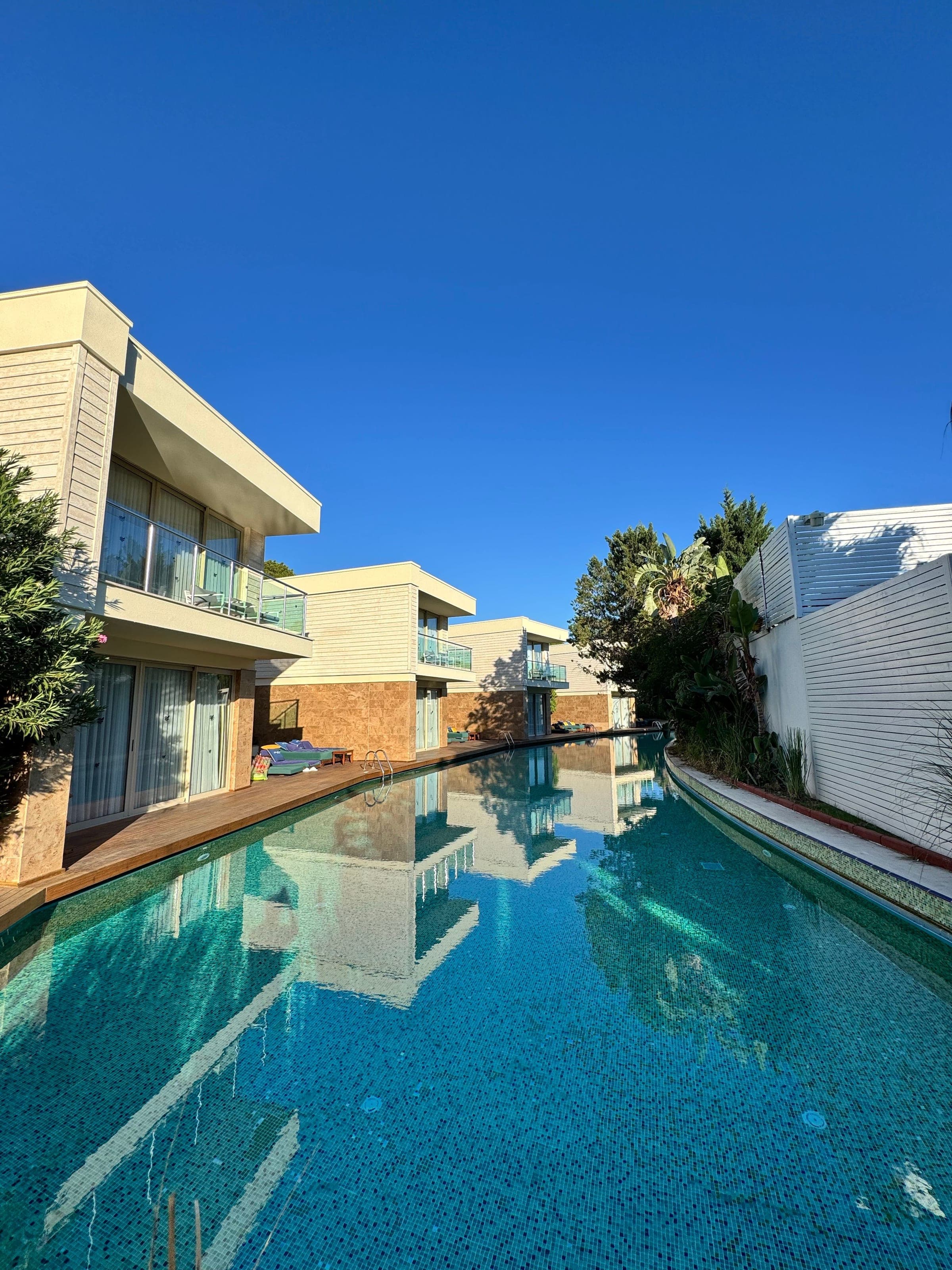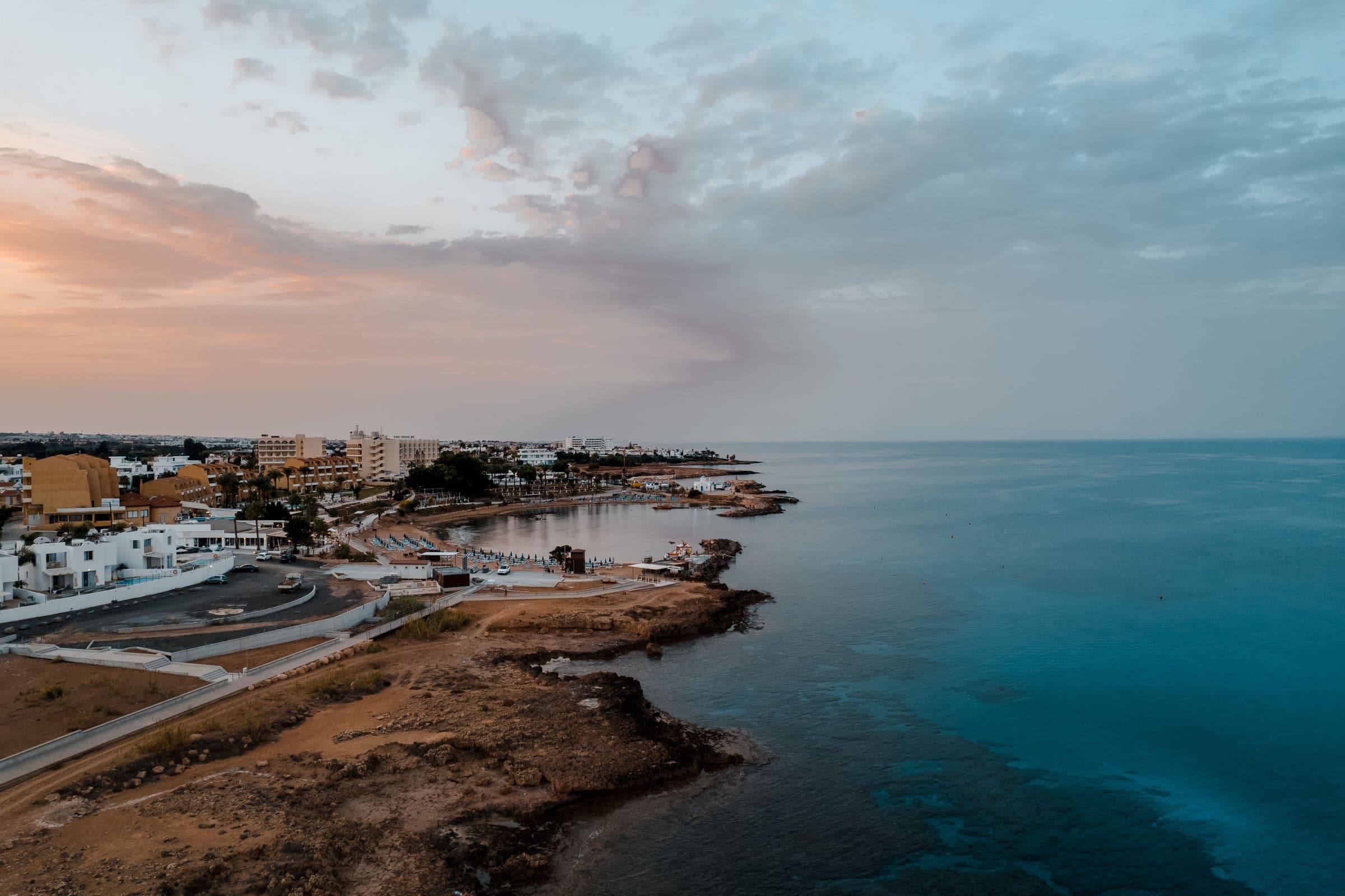
Almost every buyer sees North Cyprus for the first time between May and September. The sea is warm, the terrace works, the restaurants are full, and the decision feels obvious.
Then they buy, move in, and meet February.
Nothing about that month is a disaster. But it is a different island, and the property that felt perfect in August is usually the one that exposes it. This is what the off-season actually looks like, and what separates a home that works all year from one that doesn't. For the broader relocation picture, start with our guide to living in North Cyprus.
What the weather actually does
The island averages over 320 sunny days a year. That figure is accurate, and it is also why people get caught out, because it flattens a real seasonal swing into one reassuring number.
Along the north coast, January is the coldest month, with daytime highs averaging around 16°C and overnight lows near 7°C. February is barely warmer by day and brings roughly eleven rainy days. The rain concentrates in a narrow window, December and January are wettest, December averaging around 90mm, and the island runs a genuinely dry season from March through October. Annual rainfall sits around 400–500mm, less than London gets, but delivered in a few months rather than spread across twelve.
Snow is absent outside the highest points of the Beşparmak range.
The practical translation: winter here is mild by British or German standards and cold by the standards of the building you're about to buy. Mediterranean construction is designed to shed heat, not hold it. Sea temperature drops to around 16°C by mid-February, so the beach and the outdoor pool both close as options for a stretch of the year.
None of that makes North Cyprus a poor place to live in winter. It makes it a place where your home's specification decides whether winter is pleasant or tedious. The TRNC Meteorological Department publishes current conditions.
What stays open, and what doesn't
This varies more by location than by anything else.
Town centres carry on. Famagusta runs on its university population and Kyrenia on an established year-round community, so restaurants, shops and services operate normally through winter. Purpose-built coastal areas are more mixed. Some seasonal venues close once the tourist season ends; developments with a permanent resident base and managed facilities keep running.
That second category is the one to look for, and it's a question you can ask directly: does this site keep its facilities open in January, and who operates them?
The six things that decide whether a home works in winter
Worth carrying into every viewing, at any development.
1. Somewhere to swim that isn't the sea. An outdoor pool is a four-to-five-month asset. An indoor pool is a twelve-month one. If you swim regularly, this single feature reshapes your year more than any other and it's increasingly specified in developments built for residents rather than holidays, ours included.
2. Indoor wellness and fitness. A gym, spa, sauna or hamam on site means the wet-weather day has somewhere to go. Without it, winter routines collapse into the living room.
3. Covered outdoor space. Across December, January and February you can expect roughly thirty rainy days. An uncovered terrace is unusable on every one of them. Covered or partially enclosed outdoor space keeps the square metres you paid for.
4. Heating, not just cooling. Ask what's actually installed. Many properties rely on air conditioning running in reverse, which works but is the costliest way to heat a room. Winter electricity bills surprise people in the opposite direction to summer ones, our cost of living breakdown covers how utilities move across the year.
5. Orientation and light. January gives around seven hours of daylight sun against roughly thirteen in July, so aspect matters more than it does in August. South and west-facing living space is the difference between a room you use in winter and one you walk past.
6. Managed facilities and on-site services. Facilities are only year-round if somebody operates them year-round. A staffed reception, on-site management and professional maintenance are what separate a site that works in February from one that empties out.
If you're buying off-plan, that list matters more rather than less. You can't walk a building that isn't finished, so the specification is the commitment. An indoor pool on the plan is contractual. A hope that the outdoor pool stays pleasant is not.
Getting around when the weather turns
Buses and dolmuş run between the main towns, but the network is built around those routes rather than around coastal developments. Most year-round residents drive, and winter sharpens why: the ten-minute walk that felt charming in June is a different proposition in heavy rain.
Treat parking as a viewing criterion, and drive your likely routes rather than reading distances off a map. This is also where on-site amenities quietly earn their keep, every function inside the development is a wet-weather journey you don't make.
Where you buy changes all of this
Area matters more for off-season life than for summer life, because summer flattens the differences. Kyrenia and Famagusta stay busiest year-round. İskele and Long Beach have growing permanent communities alongside seasonal ones. Quieter places like Tatlısu are low-density by design in every month, which makes what the development itself provides count for more.
We compare the areas on price, yield and lifestyle in our guide to the best areas to buy in North Cyprus.
Property type matters less than people expect. Apartments hand winter maintenance to site management; villas give you space and hand it back. Our apartment or villa comparison works through the trade-off.
If you won't be here all winter
Plenty of owners spend part of the year elsewhere, and the off-season is usually that part. Absence management then becomes a winter question: damp through the rainy months, pool and garden upkeep, and someone reachable if a storm causes damage.
What makes a home easy to leave is a specific list of features rather than a vague hope, and we've set it out in what makes a property easy to manage from abroad. Professional site management matters most in exactly the months you're least likely to be here.
The test worth running
Visit in winter. Not instead of a summer trip, after one.
Come in January or February. Stay a week. Do a real grocery shop, drive to the nearest pharmacy, sit somewhere on a wet evening and see what's open on a Tuesday night. Walk the developments you're considering and ask which facilities stay open and who runs them.
If you're weighing a permanent move rather than a holiday home, that week tells you more than three summers will.
Frequently asked questions
What is North Cyprus like in winter?
Mild, green and much quieter. January averages daytime highs near 16°C and lows around 7°C on the north coast. Most rain falls between November and March, and snow is absent outside the mountain peaks. Town centres carry on largely as normal; purpose-built coastal areas slow down unless the development keeps its own facilities running.
Are there properties in North Cyprus with indoor pools?
Yes. Indoor pools are becoming standard in newer developments designed for year-round residence rather than seasonal stays, usually alongside a spa, sauna or hamam. If you swim regularly, it's the feature that changes your winter most, worth checking the amenity specification rather than assuming, since plenty of coastal developments still offer outdoor pools only. Several of our projects include one.
Do homes in North Cyprus have heating?
Many rely on reverse-cycle air conditioning rather than a dedicated heating system. It works, but it's the costliest way to heat a room, and winter electricity bills reflect that. Ask what's installed before you buy and budget for the winter months rather than assuming they're cheap ones.
When is the rainy season in North Cyprus?
Roughly November to March, with December and January wettest, December averages around 90mm. Rain arrives in short heavy bursts across nine to eleven days a month rather than as prolonged drizzle. March through October is genuinely dry.
Can you swim in the sea in North Cyprus in winter?
Not comfortably without a wetsuit. Sea temperature bottoms out around 16°C in mid-February and peaks near 29°C in late August, so the season runs far longer than in northern Europe but does close. A heated or indoor pool is what extends swimming across the full year.
Do resort developments in North Cyprus close in winter?
Some seasonal venues do. Developments with permanent residents, staffed reception, and professional site management generally keep facilities running year-round, which is why on-site management is worth asking about specifically, rather than assuming an amenity list applies in every month.
Should I visit North Cyprus in winter before buying?
If you're planning a permanent or long-term move, yes. A summer visit shows you the island at its easiest. A January week shows you the version you'll live in.
North Cyprus works as a year-round home, and the people happiest with the decision are the ones who saw it in February before they signed.
The difference between a summer property and a year-round one isn't the view or the beach distance. It's whether there's somewhere to swim when the sea is 16°C, somewhere covered to sit when it rains, heating that doesn't punish you, and someone running the place in January.
Explore Döveç Group's projects or speak to our team about which specifications suit year-round living.