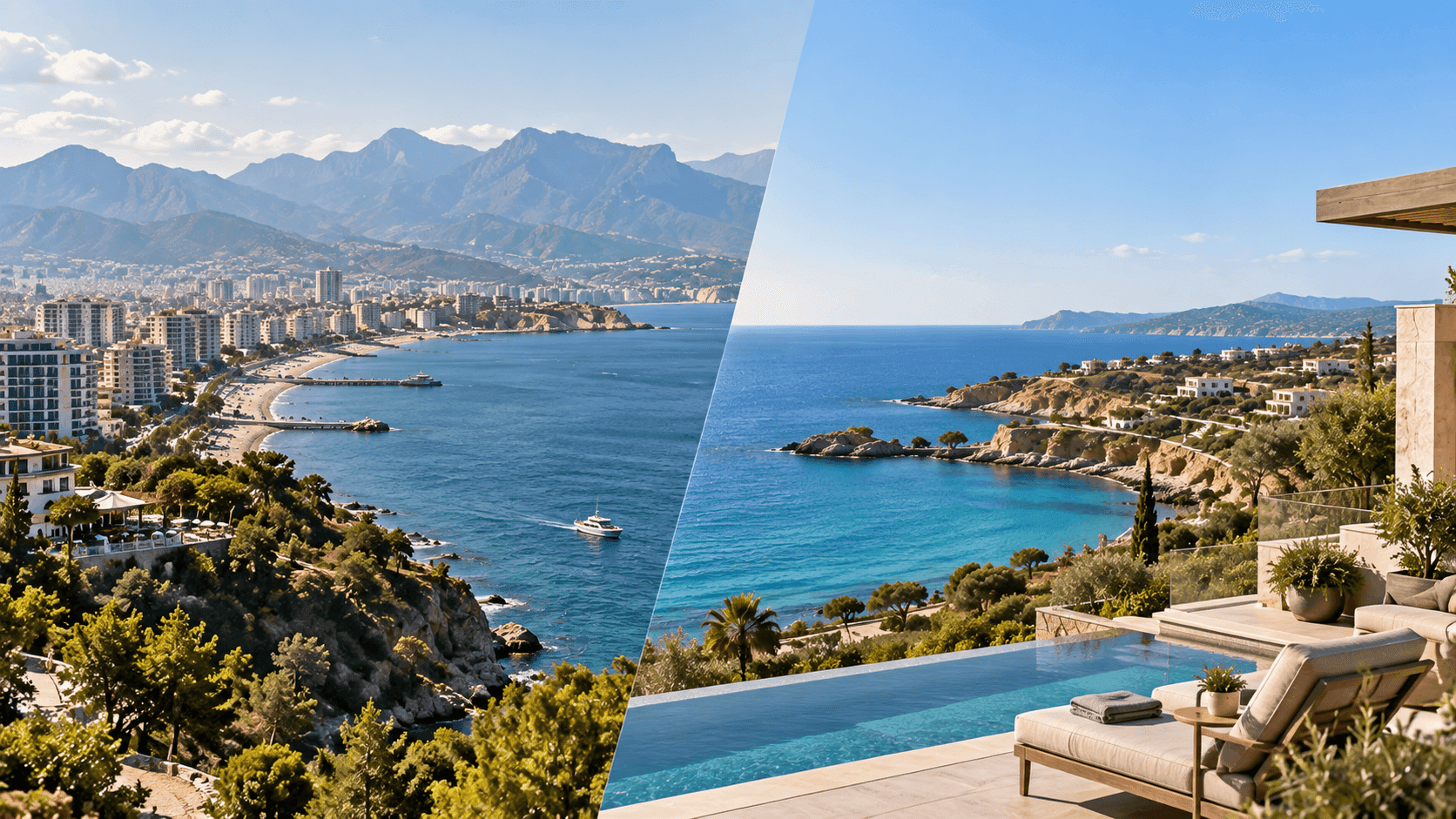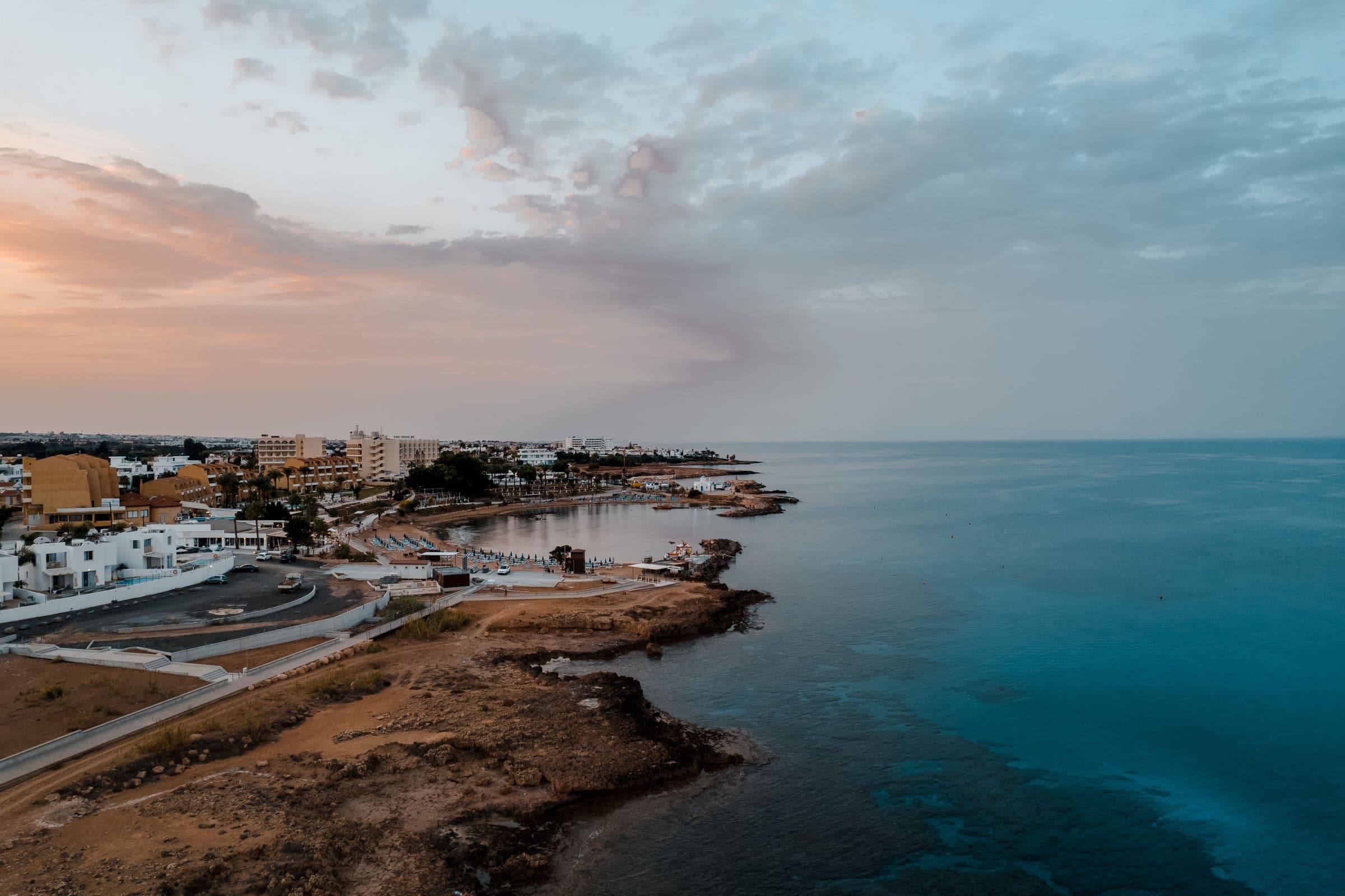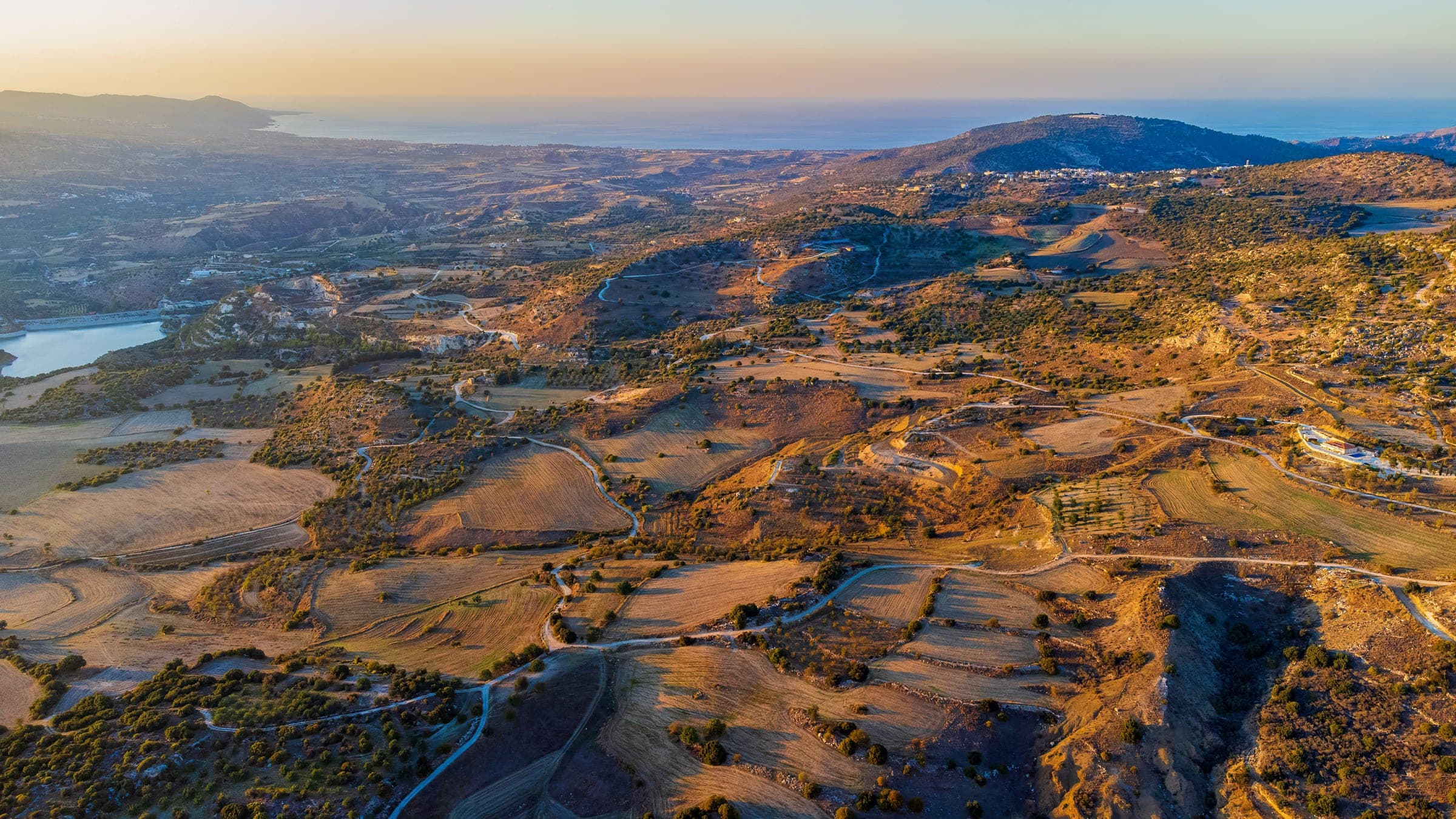
Deciding on the best areas to buy property in North Cyprus is the single most important choice an investor makes here, more so than the developer, the finish, or even the price. The market is not one market but several micro-markets, each driven by a different engine: tourism in Kyrenia, beachfront off-plan in Iskele and along Long Beach, university demand in Famagusta, and coastal scarcity in quieter spots like Tatlisu. This guide compares each area on the things that actually determine returns, namely entry price, rental yield, liquidity, and lifestyle, and then walks through the legal reality of buying as a foreigner, which is where North Cyprus differs most from Spain or Portugal.
Why investors are looking at North Cyprus in 2026
North Cyprus has moved from a niche to a mainstream Mediterranean investment option over the past decade, and the fundamentals behind that are straightforward:
Value relative to the region. Coastal property here typically runs well below equivalent stock in Southern Cyprus or Turkey, often a fraction of Limassol or Greek-island pricing for a comparable sea-view apartment.
Steady appreciation. Prime coastal areas have seen roughly 8 to 12% annual appreciation in recent years, with some five-year windows delivering considerably more in the fastest-developing corridors. Much of that momentum has concentrated on the east coast, around Iskele and Long Beach, where large resort-style projects have reshaped the shoreline.
Rental demand. Gross rental yields generally fall in the 5 to 12% range depending on area and strategy, with short-term holiday lets in coastal areas at the top end and year-round student lets offering the steadiest returns.
Cost and lifestyle. Over 300 days of sunshine, a low cost of living, low annual property taxes, and no inheritance tax, alongside an established international community.
A realistic note investors should factor in: the local currency is the Turkish Lira, which has been volatile, so most sale and many rental contracts are priced in pounds or euros to protect value. The resale market is also smaller than in mature European markets, so plan for a longer selling horizon than you would in Spain.
The best areas at a glance
Iskele and Long Beach. One-bedroom apartments start from roughly £100,000 to £150,000, with gross yields around 6 to 8% and higher for well-placed holiday lets. Best for beachfront living, strong yield, and an accessible entry price; the trade-off is dense supply, so the specific project matters.
Famagusta (Gazimağusa). Efficient one- and two-bedroom apartments start from around £100,000, with gross yields of roughly 6 to 9%. Best for year-round student rental income; the trade-off is that it's more functional than scenic.
Tatlisu. Land values sit below Kyrenia, and the rental profile is holiday-let led. Best for privacy, scenery, and early-stage appreciation; the trade-off is fewer amenities and a longer-term horizon.
Kyrenia (Girne). Two-bedroom apartments commonly start around £150,000 to £250,000 and villas from £500,000, with gross yields of roughly 5 to 8%. Best for established lifestyle, amenities, and resale liquidity; the trade-off is the highest entry prices on the island.
Esentepe. Garden apartments start around £150,000 and villas from about £350,000, with a holiday-let led rental profile. Best for low-density coastal living and golf; the trade-off is a smaller buyer pool, and a car is essential.
Yields are estimated gross figures (annual rent divided by price); net returns are lower after fees, management, and void periods.
The three areas at the top of that table, Iskele and Long Beach, Famagusta, and Tatlisu, are where the island's most active development is happening, and where an experienced local developer like Döveç Group has concentrated its portfolio. The sections below look at each in turn.
Iskele and Long Beach: the growth corridor
If Kyrenia is establishment, Iskele is momentum. The Long Beach strip on the east coast has transformed in under a decade from a quiet shoreline into a corridor of large, resort-style complexes with pool systems, on-site amenities, and integrated retail, the kind of product that sells strongly off-plan to international buyers.
The appeal is the combination of beachfront living and accessible pricing: one-bedroom apartments here often start well below Kyrenia's entry point, which opens the door to first-time investors and those chasing yield. Holiday lets along Long Beach perform well through the summer season, and the area's amenities have matured enough to support some year-round demand.
This is also where the difference between a good buy and a costly one comes down to the specific project. Döveç Group's flagship developments cluster along exactly this stretch: Querencia, an award-winning project of more than 700 residences set around 400 metres from the sea, positioned opposite five-star hotels and the island's largest casino, and D-Point, a mixed-use scheme in the heart of Long Beach that combines homes with offices, shopping, and social space. Alongside Four Seasons Life and La Isla, they illustrate the kind of resort-scale, amenity-rich product that has made this corridor the island's strongest play for capital growth at an accessible entry price. The lesson for buyers is simple: within Iskele, location and developer track record matter far more than the "Long Beach" label alone, and treating developer rental projections with a healthy scepticism is always wise.
Best for: yield-focused investors and first-time buyers who want beach access over historic charm.
Famagusta (Gazimağusa): the steady cash-flow play
Famagusta is the area most "brochure" guides skip, and the one serious investors keep coming back to. As home to the Eastern Mediterranean University and several other institutions, the city houses tens of thousands of international students, which creates something the coastal tourist markets can't: year-round, structural rental demand.
The contrast with Iskele is stark. Where the coast lives and dies by the summer season, Famagusta student tenancies typically run nine to twelve months, and landlords often secure a full year's rent up front, eliminating the void periods that eat into holiday-let returns. You give up peak summer daily rates in exchange for stability and predictability. For a hands-off investor who wants reliable annual income rather than seasonal highs, an efficient one- or two-bedroom apartment near the university is one of the most dependable propositions on the island.
It's telling that Döveç Group has invested heavily here, not only in residential communities like Courtyard and Long Beach Panorama, but in the Alfam student dormitories serving the Eastern Mediterranean University directly. Few developers understand the Famagusta rental engine as intimately as one that has built purpose-designed student housing at the source of the demand. The city also carries real historic weight, from the walled old town and Othello's Castle to the ancient ruins of Salamis nearby.
Best for: investors prioritising consistent, year-round yield over seasonal upside or scenery.
Tatlisu: unspoiled and early-stage
For buyers who value privacy and natural beauty over amenities, Tatlisu, sitting between Kyrenia and the Karpaz Peninsula at the foot of the Five Finger Mountains, is the most distinctive option in this guide. It looks out over a clear bay, retains an authentic village character with local tavernas and olive groves, and has attracted a wave of boutique developments with infinity pools and high-specification interiors that harmonise with the landscape.
Döveç Group's projects here reflect that character. La Casalia is positioned as an address of peace and renewal in Tatlisu, built around wellness, health, and low-density luxury living rather than density and volume, while Natulux, on the western side of Tatlisu close to the Esentepe border, is a seafront development designed around a 270-degree panoramic sea view. Both suit the area precisely: land values remain lower than in Kyrenia despite the quality of what's being built, which is the early-stage window that rewards investors who move before an area is fully "discovered." The trade-off is honest: fewer amenities and a smaller rental pool today, making Tatlisu a genuine long-term hold rather than a quick-yield play.
Best for: buyers seeking privacy, scenery, and five-to-ten-year appreciation potential.
Kyrenia (Girne): the established choice
Kyrenia, or Girne in Turkish, is the most internationally recognised location in North Cyprus and the benchmark for the whole market. The medieval castle, the horseshoe harbour, and the mountain backdrop give it a setting that keeps demand consistent among buyers from the UK, Germany, Russia, and the Middle East.
What Kyrenia offers that newer areas can't yet match is maturity: international schools, private hospitals, familiar supermarkets, an active social calendar, and, crucially for investors, the most liquid resale market on the island. If you may need to sell within a few years, Kyrenia's depth of buyers is a genuine advantage. The hillside villages just west, particularly Alsancak and Lapta, are prized for larger plots, mature gardens, and sea-and-mountain views while staying minutes from town. Prices reflect that status: two-bedroom apartments commonly start around £150,000 to £250,000, and villas run from roughly £500,000 into the millions for premium coastal positions.
Best for: relocators, retirees, and investors who value resale liquidity and a ready-made expat infrastructure.
Esentepe: low-density coastal living
East of Kyrenia, Esentepe suits buyers who want coastal scenery and space without Iskele's density. It benefits from the Korineum Golf & Beach Resort, a growing restaurant scene, and direct coastal access, while staying quieter than the main hubs. The investment angle is scarcity: limited supply and a low-density character support appreciation over time, and the rental profile leans toward premium holiday lets aimed at golfers and affluent retirees. It sits right beside Tatlisu, so the two areas share much of the same low-density, view-led appeal. The trade-off is a smaller buyer pool and slower resale, and a car is essential here.
Best for: capital-growth and lifestyle buyers who want a low-density coastal base and don't need quick liquidity.
The buying process for foreign buyers
North Cyprus is a welcoming market for international buyers, and the process is straightforward once you know the steps. It differs from Spain or Portugal in a few practical ways worth understanding before you reserve.
The first is the Permission to Purchase (PTP). Every non-Cypriot must apply to the Council of Ministers for approval to register a property in their name. The process typically takes several months and is rarely refused, though it can be affected if a property sits near a military zone, and there are limits on how many properties a foreign national may hold. In practice, you can usually move in or begin renting the property out while approval is pending, and become the registered owner once it comes through.
The second is costs on completion. Budget for a property transfer fee (a percentage of the value, with a reduced rate for first-time buyers) alongside stamp duty, VAT, and legal fees. A good developer or agent will give you a clear, written schedule of every cost up front, and confirm who carries any currency risk between reservation and completion.
The most important step, and the clearest sign of a trustworthy developer, comes down to legal representation. A reputable construction company will actively encourage you to appoint your own independent lawyer rather than relying solely on the developer's, precisely because it has nothing to hide. This is exactly Döveç Group's approach: buyers are advised to instruct their own solicitor to review the contract, verify ownership and registration, and confirm the property is free of any charges before money changes hands. Decades of completed, cleanly-delivered projects mean that independent scrutiny only reinforces confidence rather than exposing surprises. (This is general information, not legal advice. A qualified TRNC solicitor should review your specific purchase.)
Ongoing costs of ownership
Running costs in North Cyprus are modest by European standards. Annual property taxes are notably low, typically a few hundred pounds depending on size and location. Utilities are reasonable, and there is no capital gains tax on property sales after a qualifying ownership period. Budget separately for currency movement if your income is in a different currency from your day-to-day costs.
Which area is right for you?
Choose Iskele / Long Beach if you want beachfront living, higher yields, and an accessible entry price into the island's most active corridor.
Choose Famagusta if you want steady, year-round rental income from student demand rather than seasonal peaks.
Choose Tatlisu if you want privacy, scenery, and long-term appreciation, and don't need amenities today.
Choose Kyrenia if you want established amenities, a broad expat community, and the most liquid resale market.
Choose Esentepe if you want low-density coastal living and are comfortable with a slower resale.
Many investors combine locations. A holiday-let apartment in Long Beach paired with a steady student-rental unit in Famagusta, or a wellness-focused home in Tatlisu, is a common and well-balanced approach, and all three sit within the portfolio of a single developer that builds across the east coast.
Frequently asked questions
Is it safe for foreign nationals to buy property in North Cyprus? Yes. Foreign nationals from the UK, EU, and beyond can legally buy, and thousands do so successfully each year. Safety comes down to sensible due diligence: appoint your own independent solicitor to review the contract, verify ownership and registration, and confirm the property is free of debts before paying anything, then obtain Permission to Purchase from the Council of Ministers. Buying from a long-established developer with a strong delivery record adds a further layer of security.
What rental yields can I expect? Gross yields generally range from about 5% to 12% depending on area, property type, and strategy. Short-term holiday lets along Long Beach achieve the highest returns in peak season, while student lets in Famagusta offer the steadiest year-round income. Net yields are lower once management, fees, and void periods are accounted for.
Which area offers the best balance of lifestyle and investment value? It depends on your priority. Iskele and Long Beach currently offer the strongest mix of yield potential and accessible pricing; Famagusta gives the most reliable year-round cash flow; Tatlisu offers the greatest long-term appreciation upside; and Kyrenia delivers the broadest amenities and the most liquid resale. There's no single "best," only the best fit for your goals.
Do I need to visit before buying? It's strongly recommended. You can research and reserve remotely, but visiting lets you experience each area, tour developments in person, and meet your legal and financial advisers face to face, which is context that online research can't fully replicate. Most established developers will arrange a viewing trip across their projects.
What are the main risks I should know about? Two are worth planning for. Currency: the Lira is volatile, so price contracts in a stable currency and factor FX into your income projections. Resale liquidity: the secondary market is smaller than mature European markets, so plan for a longer selling horizon. Both are easily managed by choosing an established developer, using your own independent lawyer, and buying in an area with genuine, ongoing demand.
How long does the buying process take? After due diligence and contract, the Permission to Purchase approval typically takes several months. You can often move in or rent out the property while approval is pending, and you become the registered legal owner once it is transferred into your name.
See the projects behind the areas
Reading about the best areas to buy property in North Cyprus only gets you so far. The moment it becomes real is when you can walk a Long Beach show apartment, stand on a Querencia terrace above the sea, or see how a wellness-led home in Tatlisu actually lives.
That is the advantage of exploring these areas through Döveç Group. Since 1989 the company has grown into one of North Cyprus's leading developers, with more than 50 projects, over 35 years of delivery, and a wall of recognition that includes being named Best Construction Company of the Year at the Property NC Awards. Crucially, its portfolio sits precisely where this guide points: Querencia, D-Point, Four Seasons Life, and La Isla along Iskele's Long Beach; Courtyard and Long Beach Panorama in Famagusta; and La Casalia and Natulux in Tatlisu. Whichever area matches your goals, there is already a completed or under-construction project you can see and compare.
The best next step is a short, no-pressure conversation about your budget, your goals, and the location that genuinely fits them, followed by a viewing of the projects that match. Explore the full portfolio and book a personalised consultation at dovecgroup.com, and let a team that has been building across these locations for over three decades help you find your address on the North Cyprus coast.