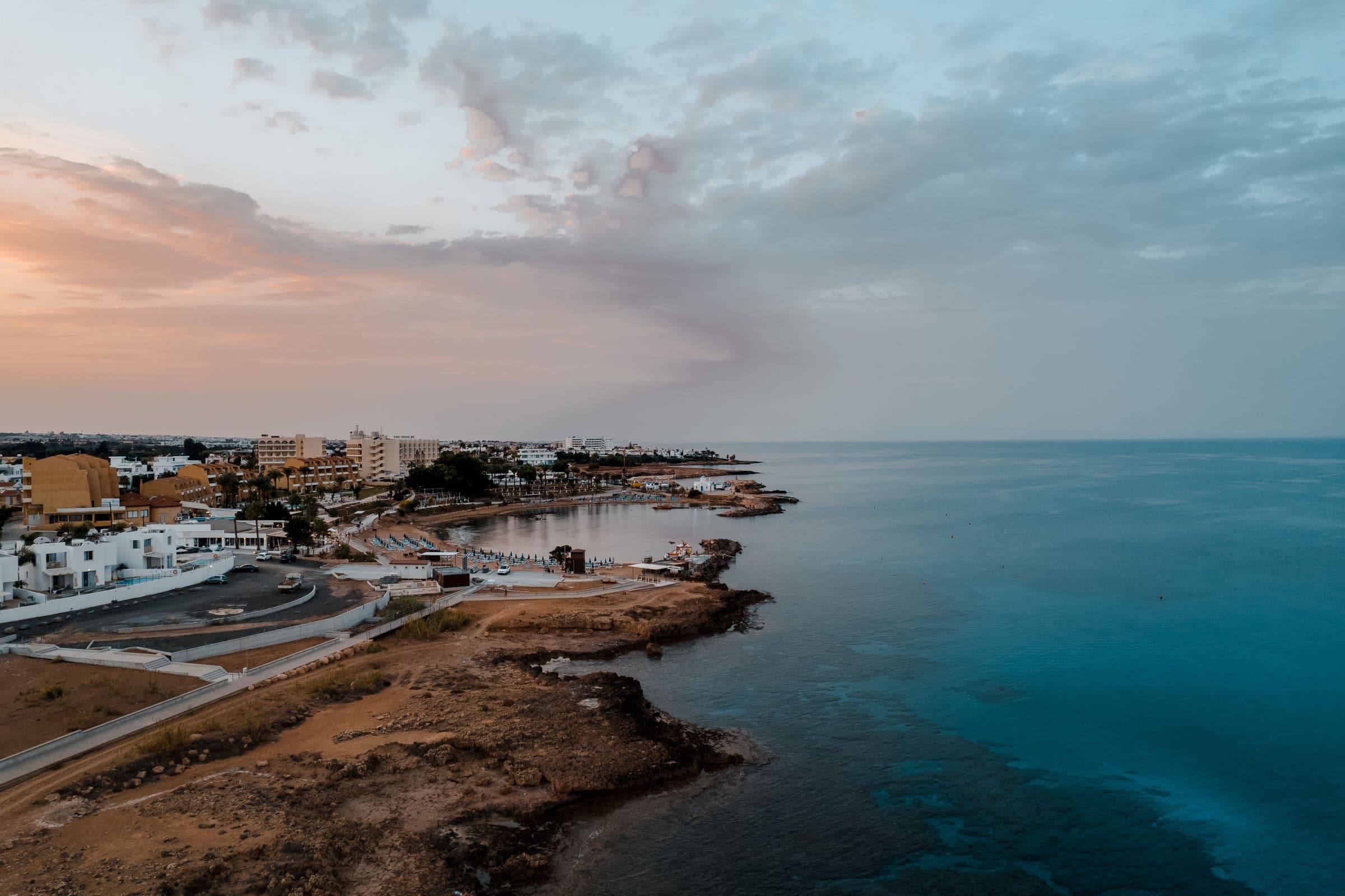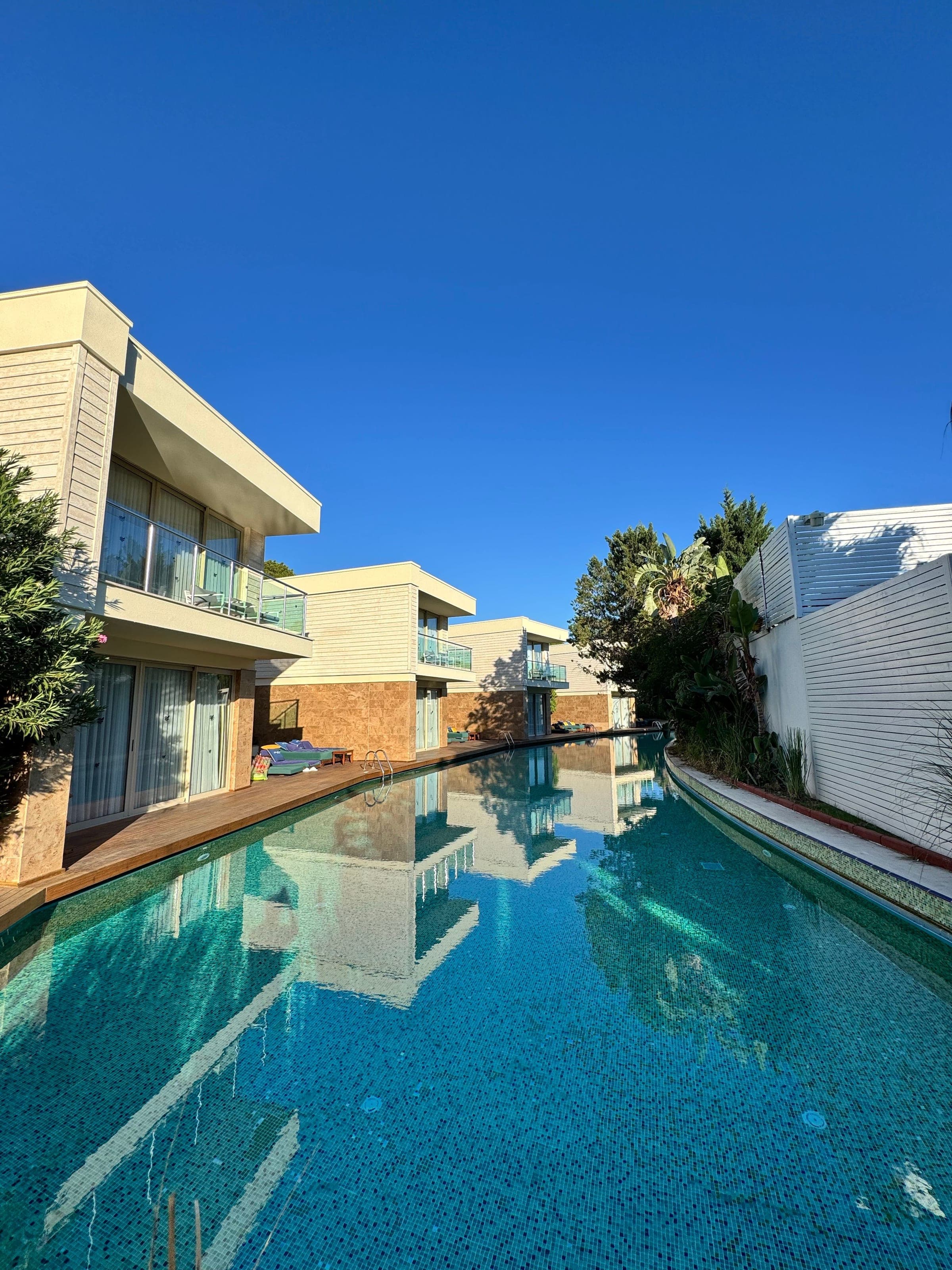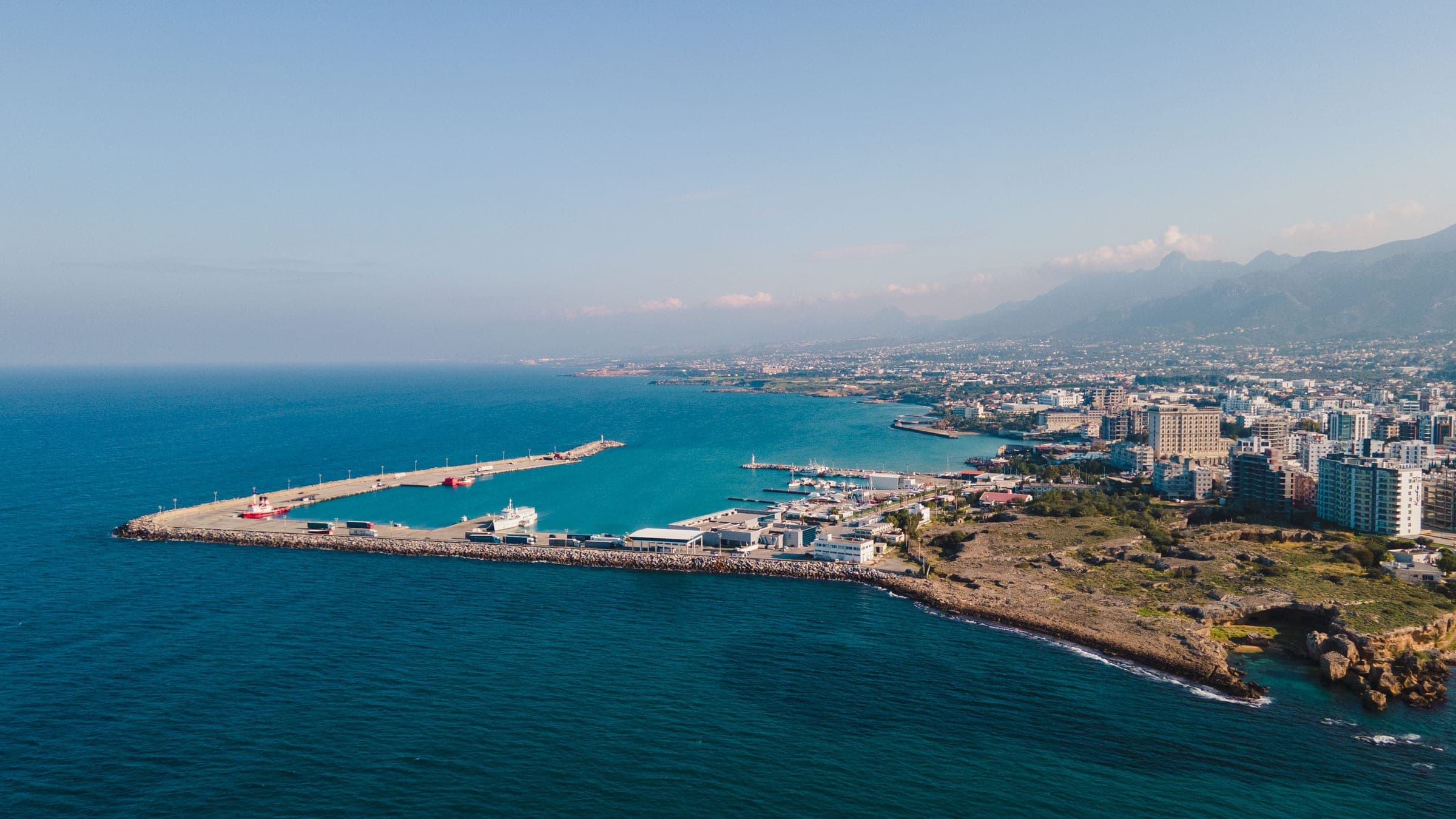
Northern Cyprus is one of the Mediterranean's most rewarding destinations precisely because it has stayed out of the spotlight. While the crowds head for the better-known coastlines of southern Europe, travellers who turn north find something that has become genuinely rare: uncrowded beaches, thousands of years of history you can explore without queuing, and a pace of life that hasn't been reshaped around mass tourism.
The geography helps. In a single short drive, you can go from the harbour of Kyrenia, with its fishing boats and waterfront tables, to the empty golden sand of the Karpaz Peninsula. A morning at a 13th-century abbey and an afternoon swimming over clear water are an easy pairing here, not an ambitious itinerary. That compactness is the island's secret weapon; you cover a lot of ground without ever feeling rushed.
This guide pulls together the things actually worth your time in Northern Cyprus, whether you're visiting for the first time or coming back to see the corners you missed.
Explore Northern Cyprus's Historic Landmarks
Byzantine churches, Lusignan castles, Venetian fortifications, and Roman cities all sit within a remarkably small area here, and most of them are quiet enough that you can wander at your own pace rather than shuffling past in a line.
Visit Kyrenia Castle
Guarding the entrance to Kyrenia Harbour, Kyrenia Castle is the town's defining landmark. It began as a Byzantine fortress and was substantially rebuilt by the Venetians, and it has watched over the harbour ever since. Inside, the highlight for most visitors is the Shipwreck Museum, which houses the remains of a Greek merchant ship that sank around 300 BC; one of the oldest recovered trading vessels anywhere in the world, displayed alongside its cargo of amphorae and millstones. Beyond the museum, you can walk the defensive towers and ramparts for sweeping views over the marina, and explore the chapels and dungeons built into the structure over the centuries. Give yourself a couple of hours, and wear something with grip; the stone walkways get slippery.
Discover Bellapais Abbey
A short climb into the hills above Kyrenia brings you to Bellapais, a village built around one of the best-preserved Gothic abbeys in the eastern Mediterranean. Ringed by cypress trees and looking out over the coast, the abbey is at its most atmospheric in late afternoon, when low sunlight warms the stone arches of the cloister. The village around it is worth lingering in; narrow lanes, cafés with coast views, and a slow rhythm that the writer Lawrence Durrell famously fell for when he lived here in the 1950s. If your trip lines up with the Bellapais International Music Festival, usually held across spring and early summer, an evening concert beneath the abbey arches is one of the most memorable things you can do on the island. Check the current programme before you go, as the dates shift each year slightly.
Explore the Ancient City of Salamis
Few archaeological sites in the region match Salamis for scale, and fewer still let you have so much of it to yourself. Founded more than two and a half thousand years ago, the city spreads across a wide coastal site you explore largely on foot, taking in a Roman theatre, the columns of the gymnasium, and the surprisingly intact bath complex with its under-floor heating system still visible. The lack of crowds is part of the appeal; it's entirely possible to stand among the marble colonnades with hardly anyone else around. Bring water and a hat, because there's very little shade.
Walk the Venetian Walls of Famagusta
The walled old city of Famagusta carries the weight of every empire that fought over this island. Its Venetian walls are among the most complete defensive systems left in the Mediterranean, and within them you'll find Gothic churches, Ottoman additions and the squat ruin known as Othello Castle; a name that stuck because Shakespeare set Othello in a "seaport in Cyprus," widely taken to be Famagusta. The old town itself rewards aimless wandering, with boutique cafés tucked into the lanes and a student crowd from the nearby university keeping it livelier than you might expect.
Climb St. Hilarion Castle
If you do one castle in Northern Cyprus, make it this one. St. Hilarion clings to a crag in the Kyrenia mountains at around 730 metres, its towers seeming to grow straight out of the rock; a silhouette so storybook that a popular local legend credits it as the inspiration for the fairy-tale castle in Walt Disney's Snow White. The truth is unverified (some versions of the story even claim Sleeping Beauty instead), but it tells you everything about how the place looks. Reaching the top means a steep climb of several hundred uneven steps, so come in proper shoes with water in hand, and pick a clear day; from the summit, you can see right along the coast and, on the clearest days, across to the Turkish mainland. One practical note: the access road passes through a military training area where photography is restricted, and the road occasionally closes during exercises.
Wander Through Nicosia's Historic Centre
Nicosia (Lefkoşa) is the last divided capital in the world, and walking it is a genuinely unusual experience; you can cross between two cultures within a few streets. On the northern side, the standout is Büyük Han, a beautifully restored 16th-century caravanserai now full of craft workshops and cafés around a shaded courtyard. From there it's a short walk to the Selimiye Mosque, a soaring Gothic cathedral converted after the Ottoman conquest, and into the maze of artisan shops and market stalls in the old town.
Relax on Northern Cyprus's Beautiful Beaches
The coastline here is one of the least built-up in the Mediterranean, which means you can still find a quiet stretch of sand even in high summer.
Swim at Alagadi Turtle Beach
Alagadi, about fifteen minutes east of Kyrenia, is one of the most important nesting sites in the Mediterranean for both green and loggerhead sea turtles. Females come ashore to nest from late May through August, and the hatchlings emerge from roughly mid-July to the end of September, with the peak around August. During the season, the beach closes to the public at night to protect the turtles, and the only way to witness a nesting or a hatchling release is on a controlled visit organised by the Society for the Protection of Turtles (SPOT), which you'll need to book in advance. By day it's simply a lovely, low-key double-bay beach with soft sand and clear water; just don't expect sun-lounger rows and beach bars, as the whole point is that it's been left alone.
Spend the Day at Golden Beach
Out at the tip of the Karpaz Peninsula, Golden Beach (Altın Kumsal) is the one most people name when asked for the finest beach on the island. Several kilometres of dune-backed sand, clean shallow water, and almost no development make it feel genuinely remote; you reach it down a rough track, and that effort keeps the crowds away. If you want a beach that still feels untouched, this is it.
Discover Escape Beach
Just west of Kyrenia, Escape Beach is the opposite proposition: a proper, organised beach with loungers, beach bars, and water sports including paddleboarding and parasailing. It's the easy choice for families or anyone who wants facilities and a bit of atmosphere rather than splendid isolation.
Snorkel Around Tatlısu
The coast around Tatlısu is a string of rocky coves with some of the clearest water on the island, and because the area is barely developed, visibility stays excellent through the summer. Slip in with a mask, and you'll likely find colourful fish, sea urchins, the occasional octopus, and dramatic underwater rock formations.
Experience Northern Cyprus's Natural Beauty
Beyond the beaches, the interior and the wilder edges of the island reward anyone willing to explore.
Hike the Kyrenia Mountains
The limestone ridge running parallel to the north coast offers the island's best walking, with trails threading through pine forest past old monasteries, dramatic cliffs, and the mountaintop castles. Spring and autumn are the seasons to come; summer hiking here is punishingly hot.
Explore the Karpaz Peninsula
Often called the island's last wilderness, the Karpaz feels like Northern Cyprus before tourism: rolling hills, traditional villages, wildflowers in spring and remote beaches reached down quiet roads. The drive out is genuinely part of the experience, winding through one of the least developed regions left in the Mediterranean.
Meet the Famous Wild Donkeys
The Karpaz is home to a population of wild donkeys that roam freely across the peninsula, and you'll often meet them ambling along the coastal roads or gathered near Golden Beach. They're used to people, but they're still wild animals; admire them, resist the urge to feed them, and don't leave food behind that could make them sick.
Cycle Through Iskele
The flatter land around Iskele makes it the easiest place on the island to cycle, with quiet coastal roads running past olive groves, citrus orchards and nature reserves. Go in spring, and the wildflowers along the route are reason enough on their own.
Take a Boat Tour Along the Coast
Seeing the coastline from the water changes your sense of the place entirely. Day trips from Kyrenia and Famagusta typically combine swimming stops in hidden coves, a bit of snorkelling, and slow coastal sightseeing, and the late-afternoon sunset cruises are about as relaxing as the island gets.
Experience Local Food and Cypriot Culture
The lasting impression most people take home from Northern Cyprus isn't a single landmark; it's the hospitality. Meals run long, village life moves slowly, and the weekly markets are still part of ordinary life rather than a tourist set-piece.
Enjoy Traditional Meze in Kyrenia Harbour
A Cypriot meze isn't a dish, it's an event: a long succession of small plates meant to be shared over a couple of unhurried hours. Expect grilled hellim (halloumi), hummus and tahini, şeftali kebab, slow-cooked kleftiko, fresh seafood, seasonal salads and warm bread, brought out in waves until you have to ask them to stop. The waterfront restaurants along Kyrenia Harbour are the classic setting, with the fishing boats and the floodlit castle in front of you as the sun goes down; it's the meal most visitors remember.
Explore Local Markets
The weekly markets are one of the best windows into everyday Cypriot life. The ones in Iskele, Kyrenia, Nicosia and Famagusta are where you'll find local producers selling fruit and vegetables, village cheeses, olive oil, herbs and spices, traditional sweets, handmade crafts and textiles; and where a quick shop tends to turn into a long conversation.
Discover Cyprus's Carob Heritage
Carob was so central to the island's old economy that it earned the nickname "black gold." Several villages in the Kyrenia mountains still keep their traditional carob presses, and you can pick up carob syrup and sweets that make far better souvenirs than anything in an airport shop.
Taste Local Wines and Zivania
Cyprus has been making wine for thousands of years, and alongside local bottles, you'll come across zivania, a strong traditional grape spirit that's a fixture of Cypriot hospitality. Village taverns are the place to try both, usually with a side of local history from whoever's pouring.
Best Places to Visit in Northern Cyprus
Each part of the island has its own character, so where you base yourself shapes the trip.
Kyrenia (Girne) is the natural choice for a first visit; the harbour, the castle, Bellapais just up the hill, good restaurants and easy beach access all in one walkable town.
Iskele, on the eastern coast, has grown quickly around its long sandy beaches and is the most relaxed, family-friendly base, as well as the best jumping-off point for the Karpaz.
Famagusta is for anyone who loves history; the walled old town, Othello Castle and ancient Salamis are all here, kept lively year-round by the university crowd.
Tatlısu offers the quiet version of the north coast: clear water for snorkelling, coastal walks and a mountain backdrop, well away from the busier centres.
The Karpaz Peninsula is Northern Cyprus at its most authentic: Golden Beach, the wild donkeys, the remote Apostolos Andreas Monastery and a string of fishing villages that feel a world apart from the resort towns.
Suggested Northern Cyprus Itineraries
3 days — Spend the first day in Kyrenia, including the castle and dinner at the harbour. On day two, head up to Bellapais Abbey and St. Hilarion Castle, timing the climb for the cooler morning. On day three, swim at Alagadi and finish in Nicosia's old town.
5 days — Add a day for ancient Salamis and Famagusta's walled city, and another for the Tatlısu coastline and a slower beach day at Escape Beach.
7 days — Build in the Karpaz Peninsula: Golden Beach, the wild donkeys and the remote villages, plus a coastal boat tour, a village market morning and a mountain hike to round out the week.
Best Time to Visit Northern Cyprus
Spring (March–May) is ideal for hiking, sightseeing, and cycling, with warm but comfortable days and the landscape at its greenest.
Summer (June–August) is peak beach season, with long, hot, sunny days and warm water, though the interior gets too hot for serious walking.
Autumn (September–November) is arguably the sweet spot: the sea is still warm from summer, the crowds have thinned and the weather is gentle.
Winter (December–February) stays mild by European standards, which makes it a good time for cultural trips and the kind of exploring that doesn't depend on the beach.
Frequently Asked Questions
Is Northern Cyprus safe for tourists? Yes, it's widely regarded as one of the safer destinations in the Mediterranean, with very low crime and a relaxed, welcoming atmosphere in both the towns and the countryside.
How many days should I spend in Northern Cyprus? Five to seven days is the sweet spot. That's enough to cover the main historic sites and still leave time for the beaches, the mountain villages and a slow meal or two.
Can I cross between Northern and Southern Cyprus? Yes. Several official crossing points connect the two sides, and many visitors cross for a day. Entry requirements depend on your nationality, so check the latest official guidance before you travel.
What currency is used in Northern Cyprus? The Turkish Lira is the official currency, though many hotels, restaurants and shops also accept cards and, in some cases, euros or British pounds.
Can tourists buy property in Northern Cyprus? Yes. International buyers can purchase property here, subject to the relevant legal procedures and official approvals. Plenty of visitors first look into the market after falling for the island on holiday.
Thinking About Staying Longer?
For a lot of people, Northern Cyprus starts as a holiday and quietly turns into somewhere they keep coming back to. The combination of Mediterranean sunshine, an unspoilt coastline, genuinely friendly communities and an unhurried pace tends to stay with you long after the trip ends.
That growing interest has shaped how parts of the island are developing, with carefully planned residential communities appearing in areas like Kyrenia, Tatlısu and Iskele; the same coastal spots that draw visitors in the first place. The appeal of owning here is much the same as the appeal of visiting: you wake up ten minutes from a turtle beach, you can be at a mountaintop castle before the heat builds, and a long harbour-side dinner is an ordinary Tuesday rather than a special occasion.
Among the developers behind that growth is Döveç Group, a Northern Cyprus property developer with more than three decades of experience and residential projects across Nicosia, Kyrenia, Tatlısu and Iskele. The focus is on contemporary architecture and locations chosen to make the most of the island's coastline and climate; the difference between visiting these places and living among them.
If your trip leaves you imagining a longer stay, exploring the latest projects from Döveç Group is a natural next step once you've seen what the island has to offer firsthand.
Northern Cyprus offers something that's getting harder to find in modern travel: the chance to slow down and experience the Mediterranean at its most authentic. Medieval castles and Roman cities, clear water and quiet beaches, mountain trails and long meals by the harbour, every part of the island has its own story. For many people, that first memorable trip turns out to be the start of a much longer relationship with the place.