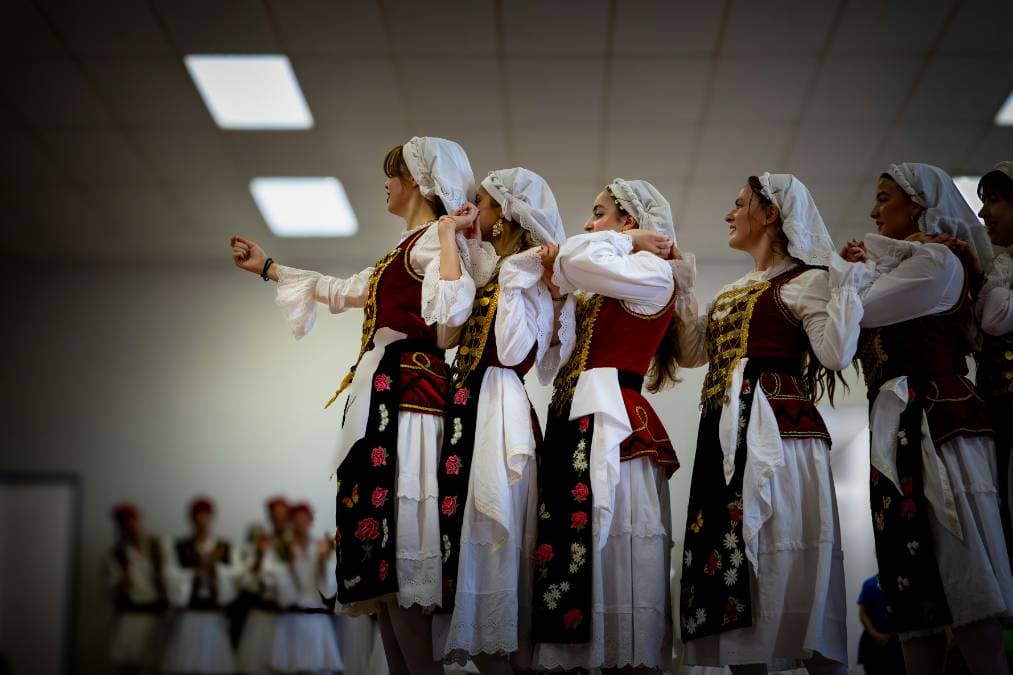
Cypriot Traditions: Traces of Cultural Heritage
Cypriot traditions are key to understanding the island’s deep-rooted history, vibrant culture, and societal structure. Each tradition serves as a bridge between the past and the present and represents a precious cultural heritage that must be preserved for future generations.
Today, North Cyprus culture vividly reflects these traditions across many aspects of life from cuisine and clothing to folk dances and festive celebrations. The cultural identity of Cyprus is not only a touristic attraction but also an essential part of the community’s sense of belonging.
In essence, Cypriot culture is a holistic blend of history, art, music, food, crafts, and everyday practices. Protecting this cultural fabric is one of the most vital responsibilities for passing down the island’s unique identity to the next generations.
The Cultural Wealth of Cyprus and Historical Influences
Cypriot cultural traits have been shaped by centuries of interaction with various civilizations. The island has hosted Greek, Roman, Byzantine, and Ottoman societies, all of which left lasting marks. This diverse heritage is a core component of the rich and dynamic culture of Cyprus today.
Cyprus’s architecture is tangible proof of this historical legacy. Across the island, one can spot Venetian walls, Ottoman mosques, and colonial buildings from the British era. These layers of history underscore the island’s long-standing strategic importance.
Cypriot traditions have been profoundly influenced by this cultural diversity. Byzantine chants echo in the music, Ottoman flavors dominate the cuisine, and Hellenistic styles appear in local arts. Island-wide festivals aim to preserve and pass on this layered heritage to new generations.
Key historical influences shaping Cypriot culture:
Hellenistic art and philosophy
Roman engineering and architecture
Byzantine religious rituals and visual arts
Ottoman culinary traditions and design
Understanding these influences offers a clearer perspective on the identity of North Cyprus and enriches any cultural exploration of the island.
Culture in North Cyprus: Daily Life and Social Values
The culture of Northern Cyprus is a vibrant mosaic that blends Turkish and Cypriot traditions. In daily life, social values are strongly felt, hospitality, mutual aid, and family bonds take center stage.
Family plays a central role in society. Solidarity among family members is a defining feature of everyday life. Showing respect for elders, treating guests generously, and maintaining social harmony are among the most prominent values in the Turkish Republic of Northern Cyprus (TRNC).
Religious celebrations, weddings, and national holidays are integral parts of social life. These occasions bring communities together and serve as platforms for expressing cultural identity and preserving Cypriot traditions.
Core elements of North Cyprus culture:
Warm hospitality and welcoming guests
Strong emphasis on family in social life
Deep-rooted respect for tradition in everyday living
Cultural continuity is central to the identity of North Cyprus. The collective spirit, passed down through shared experiences and rituals, makes the culture vibrant and enduring.
Traditional Celebrations and Cultural Festivals in Cyprus
In Cyprus, traditional festivals and public celebrations are some of the most vibrant expressions of cultural life. These colorful events are not only entertaining, they are vital in keeping local heritage alive.
Festivals in North Cyprus serve as important moments that unite communities. Featuring traditional music, folk dancing, and cultural performances, they offer a vivid reflection of Cypriot cultural identity.
Many festivals are rooted in religious or historical customs and provide deep insights into the culture of Northern Cyprus.
Notable traditional festivals in North Cyprus:
Iskele Festival – Celebrating local arts and traditions; a cherished community event
Famagusta (Mağusa) Culture and Art Festival – Showcasing traditional dress, folk dance, and handicrafts
Religious and National Holidays – Observed with unique rituals and local customs
These festivals serve as opportunities to preserve tradition and pass it on to younger generations. For tourists, they offer a joyful way to experience the spirit of the TRNC and its diverse heritage.
Traditional Clothing in North Cyprus: A Reflection of Identity
Traditional costumes in North Cyprus are among the most visible symbols of the island’s cultural richness and history. These garments reflect a blend of both Turkish and Cypriot influences, forming a distinctive cultural identity.
At weddings, national holidays, and cultural festivals, traditional North Cypriot attire is still worn with pride.
Men’s outfits often feature the fez and şalvar (baggy trousers), representing both functionality and cultural symbolism. Women’s clothing, such as the bindallı and entari, stands out with vibrant colors and intricate embroidery, embodying elegance and heritage.
Key elements of traditional North Cypriot attire:
Fez and Şalvar – Symbolic garments for men
Bindallı and Entari – Traditional dresses for women on special occasions
Ornate embroidery – A hallmark of handcrafted cultural expression
These clothes are more than just garments they are visual stories that carry the cultural memory of generations. Today, they serve as bridges between the past and present, helping the youth connect with their ancestors and heritage.
The Cuisine of Cyprus: Delicious Traditions
Cypriot cuisine is a vibrant mosaic of Mediterranean flavors. It is distinguished by the use of fresh, locally sourced ingredients and reflects the diverse culinary influences of Greek, Turkish, and Middle Eastern kitchens.
In North Cyprus, food is a cultural ritual that brings families and communities together. Special occasions like weddings and festivals feature lavish spreads of traditional dishes.
Signature dishes in North Cyprus:
Hellim (Halloumi): A famous grilled or fried cheese made from sheep or goat milk
Molehiya: A traditional stew made with a local leafy plant and slow-cooked meat
Şeftali Kebabı: A beloved Cypriot-style sausage kebab
These meals are cultural artifacts that represent how tradition lives on in everyday life. Foods like hellim, molehiya, and fırın kebabı (oven kebab) reflect centuries of culinary wisdom passed down through generations.
Food festivals in North Cyprus highlight this gastronomic heritage, allowing local chefs to share traditional recipes with both residents and tourists.
Ultimately, Cypriot cuisine is a celebration of identity, belonging, and cultural richness. Tasting the island’s food is one of the most delicious ways to understand Cypriot traditions.
Handicrafts and Folk Dances: Living Expressions of Culture
Cypriot traditions are preserved not only through food and clothing but also through handicrafts and folk dances. The island boasts a rich heritage of craftsmanship and performance art.
Cypriot women have long passed down the art of Lefkara lace, intricate embroidery, and colorful ceramics. Lefkara lacework and handmade pottery are frequently seen in both everyday life and cultural exhibitions, symbolizing traditional craftsmanship in North Cyprus.
Folk dances are another dynamic expression of identity. Performed at weddings, holidays, and festivals, these dances strengthen social unity. The Cyprus Turkish Folk Dance Ensemble is widely known for its energetic performances that showcase the cultural depth of the island.
Prominent cultural elements:
Lefkara lacework – Elegant, intricate handcrafts
Ceramics – Functional and decorative items steeped in tradition
Folk dances – Rhythmic, communal performances rooted in history
Together, these cultural expressions serve to preserve the unique spirit of North Cyprus while celebrating its diversity.
Arts, Literature, and Music in Cyprus
Cypriot traditions are deeply embedded in art, literature, and music, making the island a vibrant hub for cultural creativity.
In visual arts like painting and sculpture, Cypriot artists draw inspiration from the island’s natural beauty and cultural life. Local galleries and exhibitions frequently display such works, bridging traditional themes with modern artistic expression.
Cyprus Turkish literature reflects the island’s spirit through poetry, short stories, and novels. Figures like Namık Kemal symbolize the depth of this literary heritage, which has been shaped by the island’s rich and sometimes tragic history.
Local artists and musicians actively reflect the essence of TRNC culture in their works, helping to preserve and promote Cyprus’s artistic diversity for future generations.
The Future and Preservation of Cypriot Traditions
Cypriot traditions are among the most important keys to understanding the island’s history, culture, and social structure. Each tradition serves not only as a bridge from the past but also as a valuable inheritance for the future.
Today, North Cyprus culture continues to thrive through its food, clothing, folk dances, and festivals. These traditions are more than just attractions for visitors; they are essential elements of identity and belonging for the local community.
By exploring these traditions during your travels and showing respect for local customs, you contribute meaningfully to the preservation of Cyprus’s unique cultural identity.
Published 12 September 2025