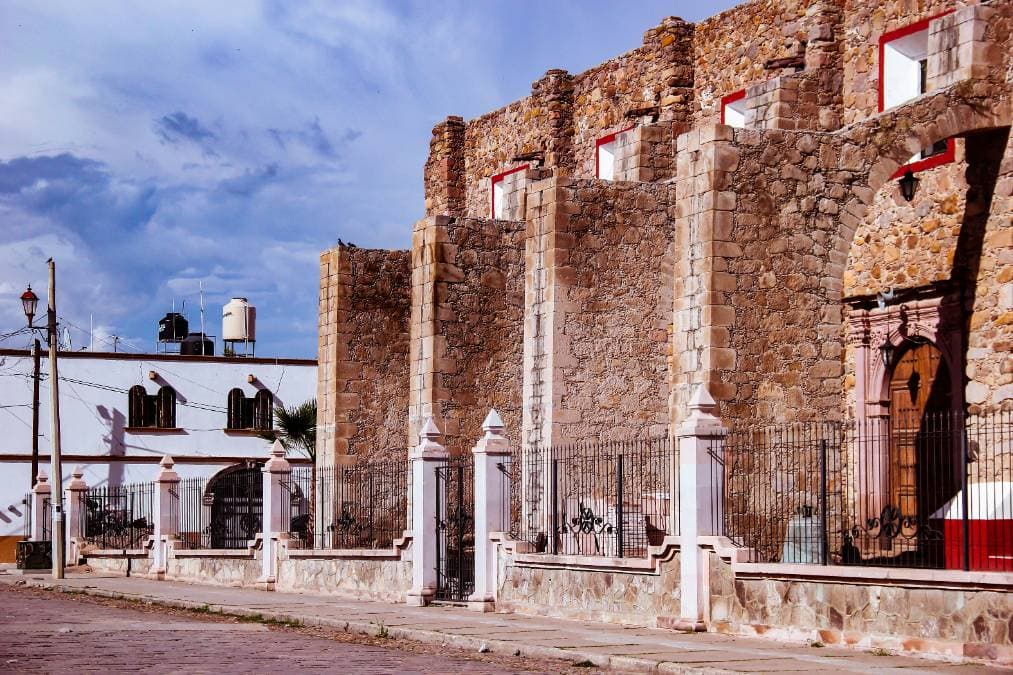
Exploring the Historic Walls of Famagusta
The Walls of Famagusta (often referred to by locals as “Famagusta Castle”) are among the most important and historically rich structures in Cyprus. Located in the Walled City of Famagusta, this fortified system goes beyond being merely a military defense line, it stands as a cultural, architectural, and literary heritage site. For this reason, it ranks high on lists of must-visit places in Cyprus and welcomes visitors from all over the world each year.
Its thick stone walls have witnessed countless sieges, political transformations, and cultural influences over the centuries. Famagusta’s strategic location made these structures vital for powerful empires such as the Lusignans, Venetians, and Ottomans.
Architectural Features and Defensive Structures of Famagusta Walls
The Famagusta Walls were initially constructed during the Lusignan period and later fortified by the Venetians. The structures that form the walls combine the refined details of Gothic architecture with Ottoman influences, making it a multi-layered cultural symbol.
Key architectural and strategic features include:
Ravelin: An outer defensive structure forming the first line of resistance.
Martinengo Bastion: A high and strategic bastion offering panoramic views of Famagusta.
Sea Gate: A historical entrance that once connected the city to the outside world via the sea.
These elements provide insight into the military strategies of the time and how the wall system was designed to withstand warfare.
Walled City of Famagusta: Where Gothic and Ottoman Heritage Coexist
Throughout history, Famagusta has been one of the Mediterranean’s most significant cultural crossroads. The city features architectural traces from different eras and civilizations, such as Gothic cathedrals and Ottoman mosques side by side. As you stroll through the Walled City, you can feel the layers of history in every street.
One of the most notable structures is the Lala Mustafa Pasha Mosque, originally a Gothic cathedral that was converted into a mosque during the Ottoman period. This transformation is a powerful symbol of the city’s multi-layered and multicultural past. Such architectural diversity makes Famagusta a uniquely important destination among places to visit in Northern Cyprus.
Namık Kemal’s Cyprus Diaries: Prison, Inspiration, and Legends
Namık Kemal’s exile in Cyprus is not only a significant episode in literary history but also a rich cultural heritage shaped by folk narratives and legends. In 1873, following the performance of his play “Vatan Yahut Silistre”, he was accused by the Ottoman authorities of disrupting public order and was exiled to the city of Famagusta.
The renowned poet spent about 38 months in a dungeon located within the Famagusta Walls, transforming this painful period into one filled with inspiration
Silent Storm in the Cell: A Luminous Stance
Some letters attributed to Namık Kemal’s years in exile include this quote:
“The dungeon is dark, but my mind is bright. I write hope for a nation struggling in darkness.”
While the accuracy of this quote remains unverified, it is often repeated among the Cypriot public. The dominant narrative is that the poet did not fall into despair but rather continued to produce and reflect deeply.
Folk Tales: Speaking with Namık Kemal’s Spirit
One folk tale passed down through generations in Famagusta tells of a night when Namık Kemal set down his pen and wandered the dungeon, murmuring poetry to the walls. Since then, it’s said that a faint voice can still be heard from the dungeon in the quiet of night.
Another popular legend goes like this:
“Each morning, a child would leave milk and bread at the dungeon’s door. No one knew who sent it, but Namık Kemal said it gave him strength to keep writing.”
Such stories reflect not only the public’s respect for the poet but also the emotional connection he shared with the people during that time.
The Legacy of Namık Kemal
Today, the Namık Kemal Dungeon is more than a stone-walled room it is a space forged by thought, a silent cry of resistance, and a symbolic site of national awakening.
The people of Famagusta have not only preserved his name but also passed down his stories from generation to generation. Everyone who visits the dungeon hears more than silence they hear the words etched into its very stones.
Visitor Experience: A Journey into the Past
The Walls of Famagusta are one of Northern Cyprus’s most enriching and striking destinations, appealing to both history lovers and cultural travelers. The towers, bastions, and dungeon provide a dramatic and enlightening experience. For literature enthusiasts, Namık Kemal’s Dungeon is a key highlight.
Watching the panoramic view of Famagusta from the ramparts is among the most unforgettable moments of the visit. The blue of the Mediterranean and the city’s historical texture come together to form a breathtaking landscape. For photography lovers, the Martinengo Bastion offers a perfect vantage point.
Tips for visiting:
Wear comfortable and sturdy shoes, as walking inside the walls can be uneven.
During hot summer months, plan your visit in the morning or late afternoon.
Arrive early to avoid crowds.
Guided tours are highly recommended to gain a deeper understanding of the site’s architecture, history, and literary significance.
Combine your visit with other sites in the Walled City for a complete route: Lala Mustafa Pasha Mosque, Namık Kemal Museum, Othello Castle, and more.
Tourism and Cultural Heritage: The Role of the Famagusta Walls
The Famagusta Walls are not just historical structures, they are a living heritage that reflects Cyprus’s multicultural identity and historical narrative. Each year, thousands of tourists visit the site to connect with the island’s past, architecture, and literary legacy. It is a cornerstone of Northern Cyprus’s tourism identity.
History and Literary Legacy Etched in Stone
The Walls of Famagusta represent a wealth of heritage that spans military strategy, art, literature, and architecture. Deepened by the works written by Namık Kemal during his imprisonment, and adorned with Gothic architecture and Ottoman influences, this site ranks high on the list of must-see places in Northern Cyprus.
These walls and dungeons offer visitors a powerful experience that speaks to Cyprus’s history, cultural revival, and literary spirit. They are more than stone, they are a timeless mirror of a people’s identity, historical resilience, and artistic memory.
Published 29 September 2025